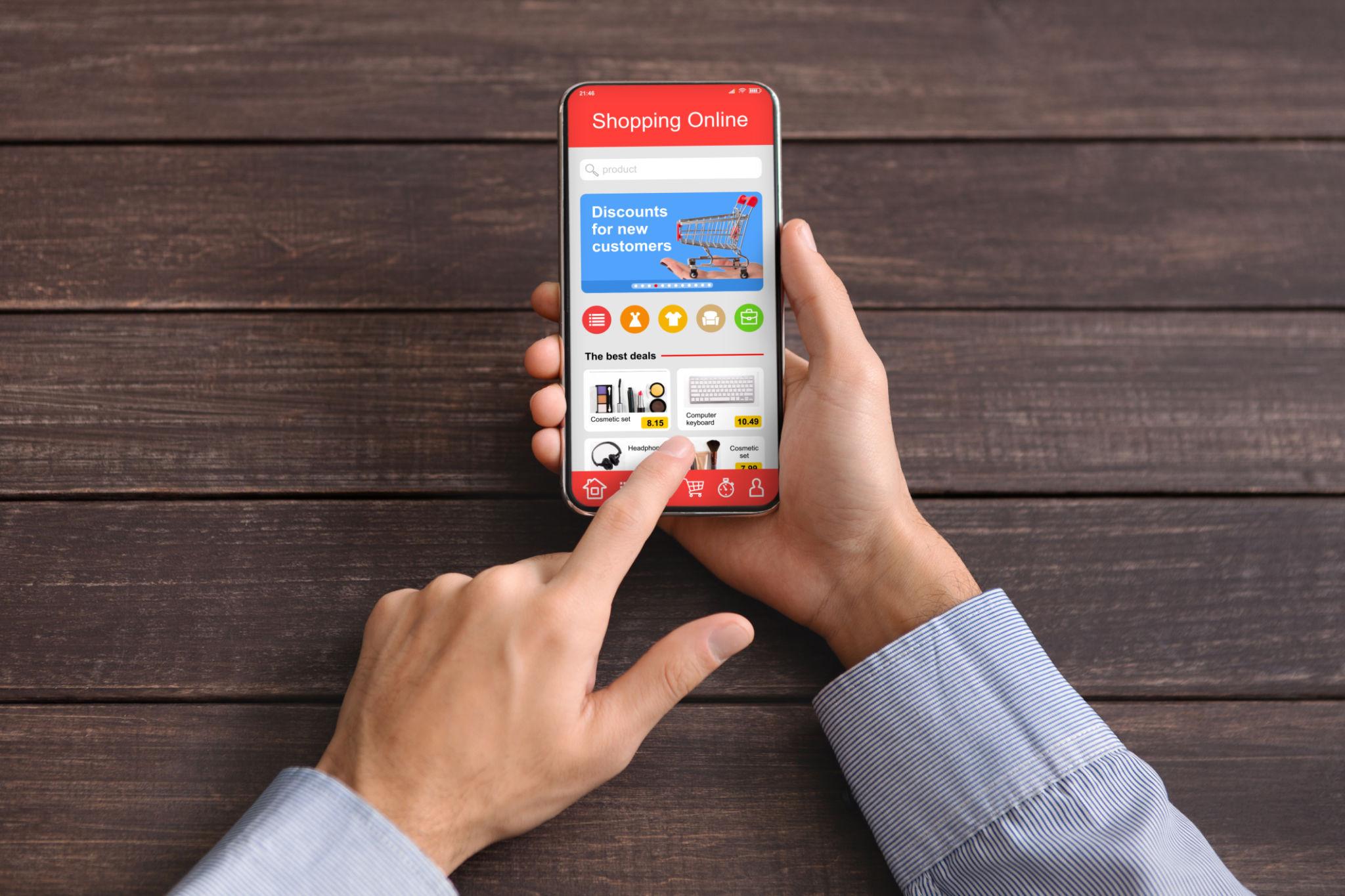
Couponing in America is not what it was five years ago. It is bigger, faster, more demographic-diverse, and more deeply embedded in everyday shopping behavior than at any point in its history. The image of someone clipping paper inserts at a kitchen table has been replaced by 169.2 million Americans tapping a smartphone at checkout — and the data behind that shift tells a more complex story than most headlines capture.
This report compiles the most current available statistics on coupon usage, market size, consumer demographics, channel behavior, and emerging technology trends in the US couponing industry.
A note on sourcing and limitations: All statistics in this article are drawn from publicly available third-party research — primarily eMarketer, Inmar Intelligence, Capital One Shopping Research, DontPayFull, DemandSage, and CouponFollow. PureCouponCodes.com did not conduct original primary surveys for this report. This means our analysis reflects the state of available published research, not independent data collection. Where multiple sources report the same metric with conflicting figures — which is common in coupon research, because surveys define "coupon use" differently — we cite the source alongside the figure and explain the discrepancy. Readers should treat this as an informed synthesis, not a primary research report. A full source list appears at the end.
The Market: Size, Growth, and Where It's Headed
The US digital coupon market has grown substantially and consistently since 2020, driven by a combination of post-pandemic digital adoption, sustained inflation pressure, and technology improvements that have made coupon discovery and redemption faster than ever.
Key market figures for 2025–2026:
The global digital coupon market is currently valued at $6.6 billion and is on track to reach $7.55 billion by end of 2026, growing at 18.33% annually through 2032. A separate market sizing methodology — which counts total commerce volume flowing through mobile coupon channels rather than just software and platform revenue — puts the figure much higher: the global mobile coupon market reached $727.3 billion in 2024 and is projected to hit $1.6 trillion by 2030 at a 14.6% annual growth rate.

Both figures are valid depending on how "market size" is defined. The $7.55 billion figure reflects the software and platform layer (the tools that manage and distribute coupons). The $727 billion figure reflects the total value of commerce that flows through coupon-mediated channels. They are measuring different things — a distinction that matters when comparing across industry reports.
What is clear regardless of methodology: the global digital coupon market is projected to exceed $12.55 billion in 2026, reflecting a compound annual growth rate of 18.33% through 2032, and is projected to surpass $34.43 billion by the end of that period.
The inflation factor: This growth didn't happen in a vacuum. 61% of US shoppers now explicitly say they use coupons to offset inflation, and the share of grocery shoppers couponing more frequently rose from 26% in 2023 to 33% in 2025. The sustained inflation cycle of 2022–2025 moved couponing from a habit associated primarily with budget-constrained shoppers to a mainstream behavior across income levels.
Adoption: How Many Americans Use Coupons, and How Often
The headline number is near-universal: 93% of all Americans use coupons or have used a coupon in the last year. But that figure includes anyone who has ever used a discount — a deliberately broad definition. A more behaviorally meaningful number: 78% of Americans actively search for a coupon before completing a purchase.
Redemption volume:
Americans redeemed 871 million coupons in 2024. Of those, 465.5 million were digital coupons — up 10.8% from 420.2 million in 2023 — while 355.3 million were traditional paper coupons.
For context on scale: 871 million redemptions across an adult population of approximately 260 million means the average American adult redeemed roughly 3.4 coupons in 2024. Active coupon users redeem far more; occasional users pull the average down.
The digital tipping point:
Digital coupons accounted for 53.4% of all US coupon redemptions in 2024, crossing the majority threshold for the first time. Paper still represents 40.8% of redemptions — a figure higher than many assume — largely because grocery and household staples categories have been slower to go fully digital, and because older shoppers continue to use print-based formats from habit.
Redemption rates by format (2024):
Coupon Type | Redemption Rate |
|---|---|
Instant Redeemable (affixed to product) | 12.8% |
Handout coupons | 10.5% |
Direct mail | 5.22% |
Digital coupons | 5.92% |
Free-standing inserts (FSIs) | ~1.3% |
Digital coupons have a 5.92% redemption rate, up 12.8% from 2023. While this is lower than some physical formats, digital coupons are distributed at vastly higher volumes — making their absolute redemption numbers significantly larger.
The Consumer: Who Uses Coupons in 2026
The demographics of coupon usage challenge several common assumptions. Couponing is not primarily a low-income behavior. It is not predominantly a Millennial or Gen Z behavior. And it is not declining among older Americans.
Usage Rate by Generation
Baby Boomers (55+) have the highest overall usage rate at 96%. Millennials (ages 25–40) represent 42% of all US coupon users by volume and use digital coupons three times more frequently than Boomers.

Among Generation X consumers (born 1965 to 1980), 68% use digital coupons and 53% use paper coupons. Baby Boomers use digital and paper coupons at 56% and 51% respectively.
The generational story has two distinct dimensions:
Usage rate (who uses coupons at all): Boomers lead at 96%, followed by 91% for ages 35–54, and 87% for ages 18–34.
Digital intensity (who uses digital specifically): Gen Z leads at 78%, followed closely by Millennials at 77%.
The fastest-moving demographic is Baby Boomers: Baby Boomers have grown their digital coupon usage roughly 40% since 2020, now sitting at 56% digital adoption — making them the fastest-improving demographic in the space.
How Each Generation Discovers Coupons
This is where behavioral differences become most pronounced — and most relevant for marketers and coupon platform strategy.
Gen Z consumers find coupons through social media at a 55% rate, compared to just 22% via email — the inverse of how older cohorts access discounts. For Baby Boomers and Gen X, email remains the primary discovery channel; social media is secondary.
Coupon discovery channels — all US shoppers (2026):
Discovery Channel | Share of Shoppers |
|---|---|
Brand email newsletters | 47% |
Online search (Google, etc.) | 46% |
Coupon websites (RetailMeNot, Slickdeals, etc.) | 34% |
Social media | 34% |
Browser extensions | 32% |
Retailer apps | 41% |
Source: eMarketer / Gitnux, 2026
48% of US consumers now have a browser extension running in the background that tests codes at checkout automatically — more Americans use auto-coupon extensions than read retailer email newsletters.
Usage by Household Income
Coupon usage is common across income levels, though motivations differ. Households earning $50,000–$100,000 per year are the most active digital coupon users, though 27% of households earning $150,000+ also redeem them regularly.
Higher-income households use coupons primarily for online shopping in discretionary categories (electronics, travel, software). Lower and middle-income households concentrate usage in grocery and household essentials.
The Impulse Purchase Effect
One of the more counterintuitive findings in coupon research is the relationship between discounts and total spending. Consumers who use coupons do not simply pay less for the same basket of goods — they often spend more.
31% of American consumers buy more than they intended when they have a coupon. 66% of consumers have made an impulse purchase because of a digital coupon.
The impulse effect differs by generation: Millennials are most likely to make an impulse purchase after finding a digital coupon, with 41% agreeing, compared to 27% of Gen X and 19% of Gen Z.
Gen Z's lower impulse rate is notable given their high digital adoption. Research suggests this reflects spending discipline developed during financially constrained early adulthood — Gen Z tends to use coupons against a pre-planned shopping list rather than using them as a trigger to buy.
The Savings: How Much Do Americans Actually Save?
Household savings potential:
The average American household can save as much as $1,465 per year by using online coupons consistently. A CouponFollow study breakdown attributes this saving across categories: $316 on groceries, $272 on household items, $264 on dining, and $160 on entertainment.
Important context on that number: $1,465 represents a ceiling for active, multi-channel coupon users — not the average for all coupon users. 71% of digital coupon users save at least $10 per month, and 36% save $25 or more. Annualized, $25/month = $300/year — more representative of a typical active user than the $1,465 headline.
The wide range ($120–$1,465 annually) reflects the difference between a shopper who passively redeems the occasional code versus one who systematically applies coupons across grocery, online retail, dining, and subscriptions.
Savings by category:
Grocery coupons remain the highest-volume category by redemption count. Grocery shoppers using digital coupons saved an average of 15.8% off each purchase, with a coupon success rate of 45.9%.
The broken code problem:
A significant source of consumer frustration — and cart abandonment — is expired or invalid coupon codes. Only 9% of shoppers report that the digital coupons they find online work over 90% of the time. This verification gap between codes that are discoverable and codes that are actually active at checkout is one of the most persistent problems in the digital couponing space.
The underlying cause is structural: most coupon aggregator sites list codes automatically through web scraping rather than manual verification, meaning expired codes continue to appear in search results and on listing pages long after they stop working. Coupon sites that verify codes before publishing — testing each code against a live checkout — produce meaningfully better success rates for users, but verification is labor-intensive and most platforms prioritize coverage over accuracy.
For shoppers, the practical workaround is to cross-reference codes across multiple sources before checkout, and to check whether a site explicitly states it tests its codes before listing them.
Channel Behavior: How Americans Find and Redeem Coupons
Mobile Has Won
93.5% of digital coupon users redeem coupons with a smartphone, while only 41.9% use tablets. Desktop redemption has declined steadily as mobile-first retail apps and mobile checkout have become standard.
The shift from 85.5% smartphone redemption in 2020 to 93.5% in 2025 happened in under five years — and by end of 2026, that figure is projected to reach 93.8%.
The practical implication: a coupon strategy that doesn't work frictionlessly on mobile is increasingly invisible to most US consumers.
Email vs. Social: The Generational Divide in Action
Email remains the single highest-reach coupon delivery channel across the full US adult population, with 47% of consumers discovering coupons this way. But its dominance is age-stratified.

For Gen Z (born 1997–2012), email sits at just 22% as a discovery channel. Social media at 55% is their primary coupon source — driven primarily by TikTok, Instagram, and YouTube, where creator-driven "deal haul" and discount code content has become a standard content format.
Social media sits at 34% overall, but that masks a generational split — for Gen Z it's the primary discovery channel at 55%, while email, which leads for Boomers and Gen X, lands at just 22% for that cohort.
Browser Extensions: The Automation Layer
32% of online shoppers use a browser extension for automated digital coupons. The leading platforms — Honey (PayPal), Capital One Shopping, and Rakuten — collectively reach hundreds of millions of users and test available codes at checkout without requiring any manual search.
In 2025, the top five coupon websites among Americans received 383.4 million global monthly visits. Slickdeals accounted for 16.2% of US coupon site traffic. Rakuten was the leading coupon site globally at 17.7% of visits, followed by Slickdeals and Capital One Shopping.
Cart Abandonment as a Coupon Signal
Coupon expectation has become so normalized that its absence is now a meaningful purchase barrier — though two frequently cited statistics on this topic measure different things and are worth reading carefully side by side.
85% of consumers have abandoned an online shopping cart because they did not find a coupon code (Capital One Shopping Research). This is a lifetime figure — it captures anyone who has ever done this at least once, not how often or how recently.
49% of consumers report abandoning online carts when no coupon is available (Gitnux). This measures a more active disposition — shoppers who say they are likely to abandon if no discount exists when they check out.
The gap between 85% and 49% reflects measurement differences, not contradiction. The 85% figure captures a broad historical behavior; the 49% reflects a current behavioral tendency. Both figures point in the same direction: a substantial portion of US online shoppers now treat a coupon code field as a checkpoint in their purchase decision, not an optional bonus. A separate figure — 15% of online shoppers say they regularly abandon purchases if no digital coupon is available — represents the most consistent and habitual abandoners within that broader group.
For retailers, the practical implication is the same regardless of which figure is used: leaving the coupon field empty is a measurable driver of lost conversions.
Emerging Trends: What's Shaping Couponing Through 2027
1. AI-Powered Personalization
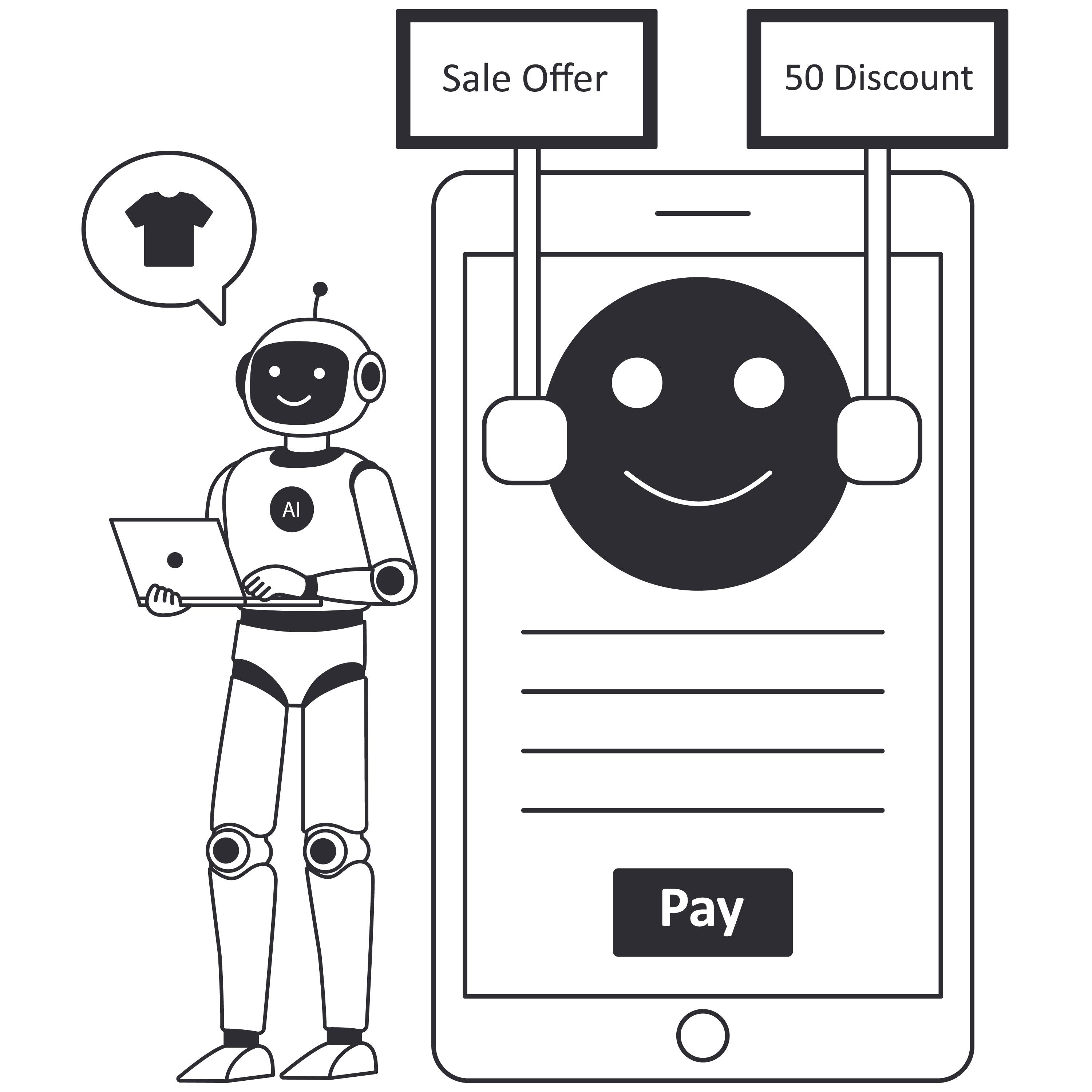
Artificial intelligence is changing how coupons are created, targeted, and delivered. Rather than broadcasting the same code to all users, AI-enabled systems analyze purchase history, browse behavior, and demographic signals to issue personalized discount offers at the most effective moment.
64% of US retail media decision-makers view digital coupons as highly effective for boosting sales, and 67% of US CPG brands believe digital coupons will play a significant role in future retail media strategies.
For consumers, the most visible manifestation of AI in couponing is the browser extension that auto-applies codes — increasingly sophisticated versions of Honey and Capital One Shopping now use machine learning to predict which code is most likely to work before testing all of them.
Amazon's integration of its AI assistant Rufus into its Big Spring Sale 2026 included coupon discovery features — users could ask Rufus to find price drops and available coupons for products in their search results, representing a shift from coupon-search-as-task to coupon-discovery-as-conversation.
2. Social Commerce and Creator-Led Discount Codes
The intersection of social media influencer culture and couponing has produced a new distribution model: creator-exclusive discount codes. Brands issue unique, tracked coupon codes to content creators, who share them with followers in exchange for affiliate commission on resulting purchases.
This model has become particularly significant for Gen Z, who — as the data shows — discover 55% of their coupons through social media. Creator codes are now a standard feature of influencer marketing contracts across fashion, beauty, wellness, and food delivery categories.
The format is growing: as younger generations continue to prefer digital coupons, social media platforms are increasingly used for coupon hunting.
3. Universal Coupons and Open-Code Architecture
A structural trend with significant consumer implications: the shift from single-use, customer-specific coupon codes toward publicly accessible promo codes that work for any buyer. A large number of digital discounts aren't personalized or limited to one-time use — anyone who makes a qualifying purchase can save if they're able to find the right code at the right time.
This is the core premise of coupon aggregation sites: codes that are issued by brands and technically available to any buyer, but which most buyers never find because they don't know to look. The market value being captured by coupon-aware consumers and left on the table by unaware ones is effectively a transfer from uninformed to informed shoppers.
4. QR Codes and Mobile Wallet Integration
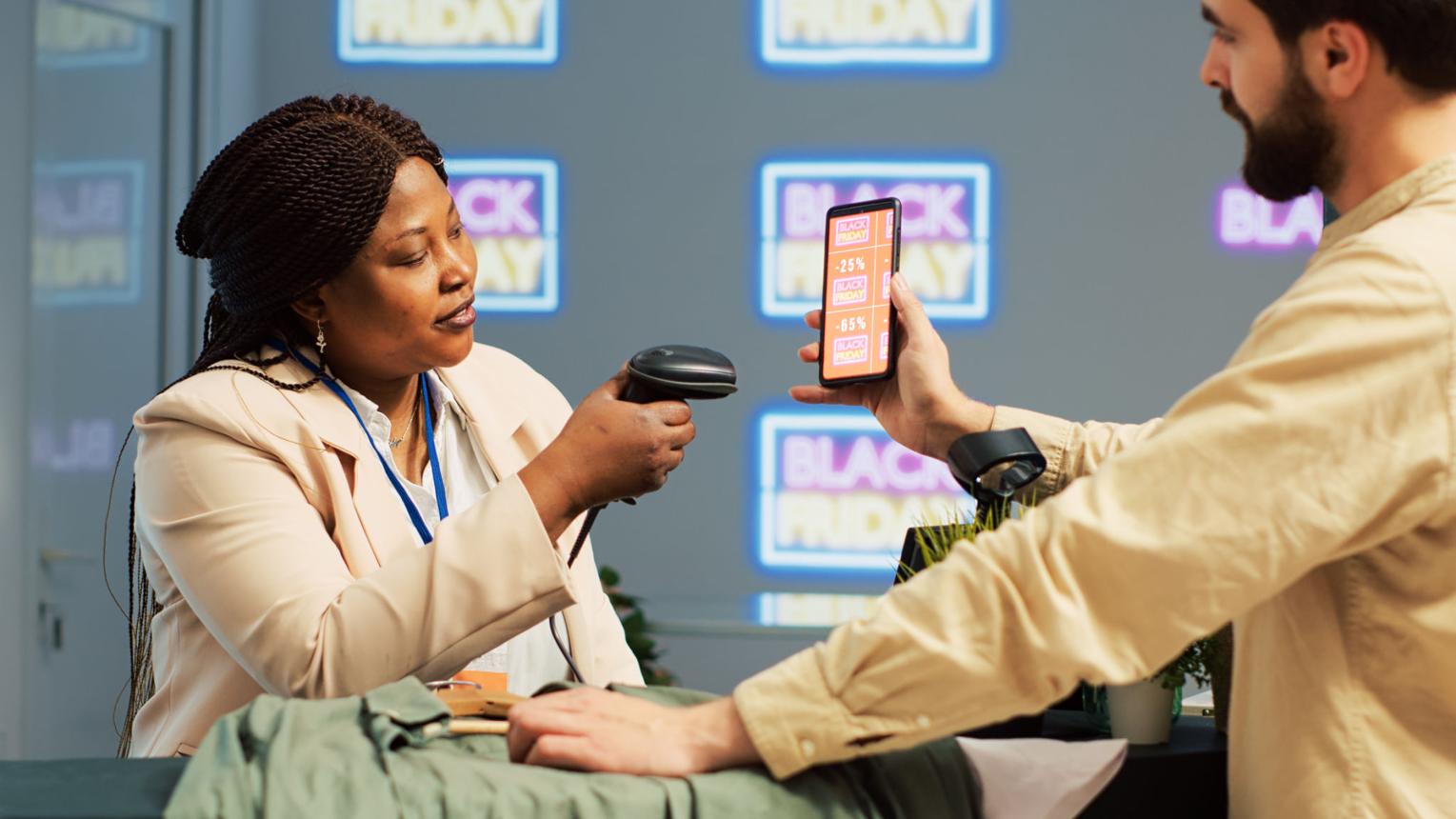
The integration of QR-code-based discounts directly into mobile wallets (like Apple Pay and Google Wallet) has increased by 38% over the last year. This trend removes the friction of code entry — consumers can redeem a discount by tapping their phone at checkout without ever opening a separate app or typing a code.
What the Data Means for Consumers: Practical Takeaways
The macro picture translates into a set of practical implications for individual shoppers:
1. The verification gap is real — and worth solving before checkout. Only 9% of shoppers report that the digital coupons they find online work over 90% of the time. This means the typical approach of grabbing the first code you find from a Google search will fail most of the time. The most effective habits are: (a) using a browser extension that auto-tests multiple codes simultaneously, (b) cross-referencing codes on more than one coupon site before entering them, and (c) prioritizing platforms that state explicitly they verify codes before publishing rather than aggregating indiscriminately.
2. Email signup discounts remain underused. Despite email being the top coupon discovery channel at 47%, most shoppers don't systematically capture welcome discounts from stores they plan to buy from. A dedicated shopping email address used to sign up for brand newsletters — and the 10–20% first-order discounts that typically follow — is one of the highest-ROI low-effort coupon strategies available.
3. Browser extensions are now table stakes for online shoppers. 32% of online shoppers use a browser extension for automated digital coupons — a figure that will continue rising. For the 68% who don't have one installed, Honey (PayPal) or Capital One Shopping represents a no-cost upgrade that applies savings automatically without requiring any behavior change at checkout.
4. The impulse spending trap is real. The finding that 31% of Americans buy more than they intended when they have a coupon is a useful reminder: a 20% discount on something you wouldn't otherwise have bought is not 20% savings — it's 80% spending. Coupon use is most financially beneficial when applied to planned purchases, not as a trigger for new ones.
Summary: Couponing in America by the Numbers (2026)
Metric | Figure | Source |
|---|---|---|
Americans who use coupons | 93% | Capital One Shopping Research |
Americans who search before every purchase | 78% | DontPayFull |
Digital coupon users in 2025 | 169.2 million | eMarketer |
Total US coupon redemptions (2024) | 871 million | Inmar Intelligence |
Digital share of redemptions (2024) | 53.4% | Inmar Intelligence |
Smartphone redemption rate | 93.5% | eMarketer |
Digital coupon market size (2026 projected) | $7.55 billion | Business Research Insights |
Average household savings potential/year | Up to $1,465 | CouponFollow |
Gen Z discovery via social media | 55% | eMarketer/Gitnux |
Baby Boomer digital coupon growth since 2020 | +40% | DontPayFull Research |
Shoppers who abandon carts without a coupon | 49% | Gitnux |
Browser extension adoption | 32% | Capital One Shopping |
Frequently Asked Questions
How many Americans use digital coupons? An estimated 169.2 million US adults used digital coupons in 2025, according to eMarketer data. That represents roughly 65% of the adult US population.
How much does the average American save with coupons? Savings vary significantly by usage intensity. Passive users (occasional code at checkout) save $40–$100/year. Active users across grocery, online retail, and subscriptions can save $300–$500/year. A CouponFollow study puts the maximum potential for consistent coupon users at $1,465/year — a ceiling, not an average.
Are Baby Boomers using digital coupons? Yes, and increasingly so. Baby Boomers now have a 56% digital coupon adoption rate — up roughly 40% from their 2020 levels — making them the fastest-growing demographic in digital coupon usage.
Where do most Americans find coupon codes? The top channels are brand email newsletters (47%), online search (46%), retailer apps (41%), coupon websites (34%), and social media (34%). For Gen Z specifically, social media is the primary channel at 55%, ahead of email.
Is couponing growing or declining? Growing. Total redemptions rose 53.9% from 2023 to 2024. Digital redemptions grew 10.8% year-over-year. The digital coupon market is growing at 18.33% annually. Every major measure points toward continued expansion through at least 2032.
Sources:
Capital One Shopping Research, Coupon Statistics 2026: capitaloneshopping.com/research/coupon-statistics
DontPayFull, Coupon Usage Statistics 2026: dontpayfull.com/explore/coupon-usage-statistics
DontPayFull, Mobile Coupon Statistics 2026: dontpayfull.com/explore/mobile-coupon-statistics
DemandSage, 74 Coupon Statistics 2026: demandsage.com/coupon-statistics
AffMaven, Coupon Statistics 2026: affmaven.com/coupon-statistics
Inmar Intelligence: Digital vs. paper coupon redemption and distribution data (2024)
eMarketer / Insider Intelligence: Consumer spending and digital coupon projections
Business Research Insights: Digital coupon market sizing and CAGR projections
CouponFollow: Annual household savings estimate methodology
Methodology note: This article is a secondary research synthesis — it aggregates and interprets publicly available data from the sources above; it does not represent original primary research conducted by PureCouponCodes.com. Where figures from different sources conflict, the discrepancy is explained in the text with both figures cited. Market size figures in particular vary significantly across research firms due to definitional differences in what counts as "digital coupon market" — these are noted inline. Readers who want to verify individual statistics should consult the original sources linked above, as our interpretations reflect our editorial reading of those studies.
PureCouponCodes.com has no affiliate or commercial relationship with any of the research firms cited in this article. Full Affiliate Disclosure →
Related Articles: