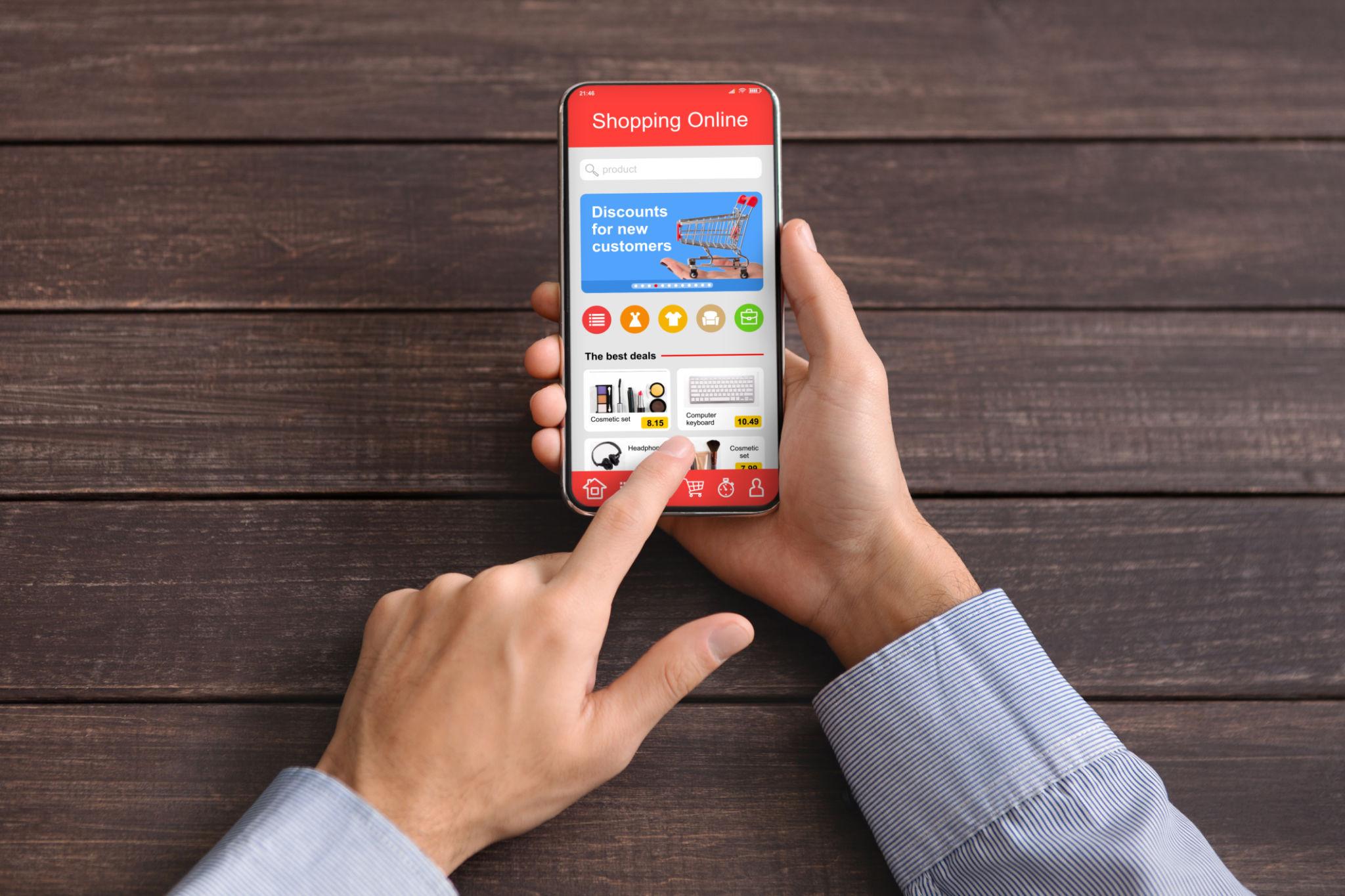
Online shopping in 2026 is more competitive — and more rewarding — than ever before. With inflation stabilizing but prices still higher than pre-pandemic levels, American consumers are actively searching for every possible way to stretch their dollars further. Whether you are buying groceries for the week, upgrading your tech setup, or refreshing your wardrobe for the new season, knowing how to unlock the best online shopping discounts is no longer optional — it is essential.
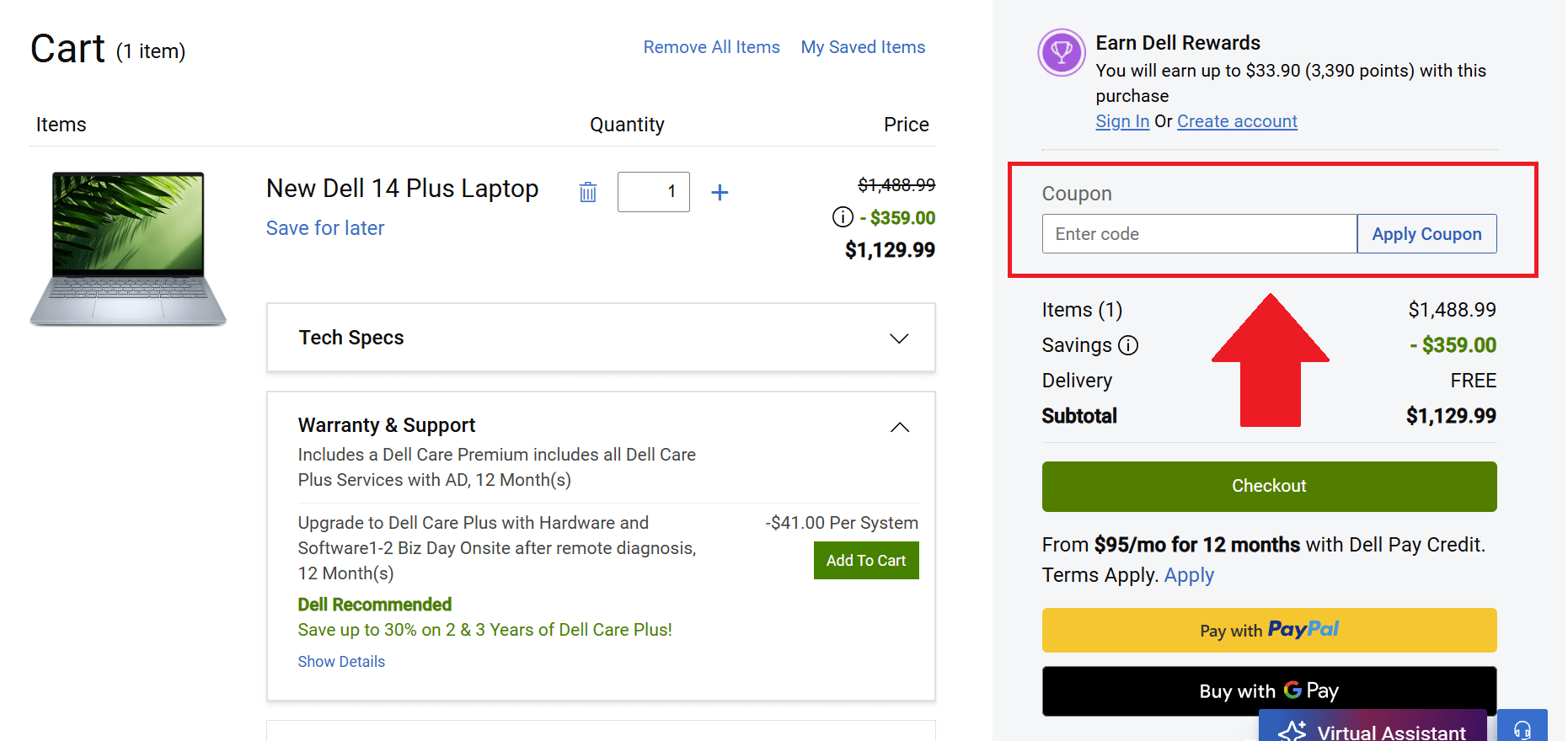
This guide breaks down every major discount strategy available to online shoppers in 2026, from coupon codes and cashback programs to loyalty rewards and seasonal sale calendars. We have tested hundreds of methods, tracked thousands of deals, and distilled the most effective savings tactics into one actionable resource. If you have ever wondered why some shoppers consistently pay less for the same products, you are about to find out.
How Online Shopping Discounts Work in 2026
The online discount landscape has evolved significantly. In the early days of e-commerce, discounts meant simple percentage-off codes emailed to subscribers. Today, the ecosystem includes coupon codes, automatic price adjustments, cashback platforms, browser extensions, loyalty tiers, price-match guarantees, and AI-powered deal alerts that notify you the moment a product drops in price.
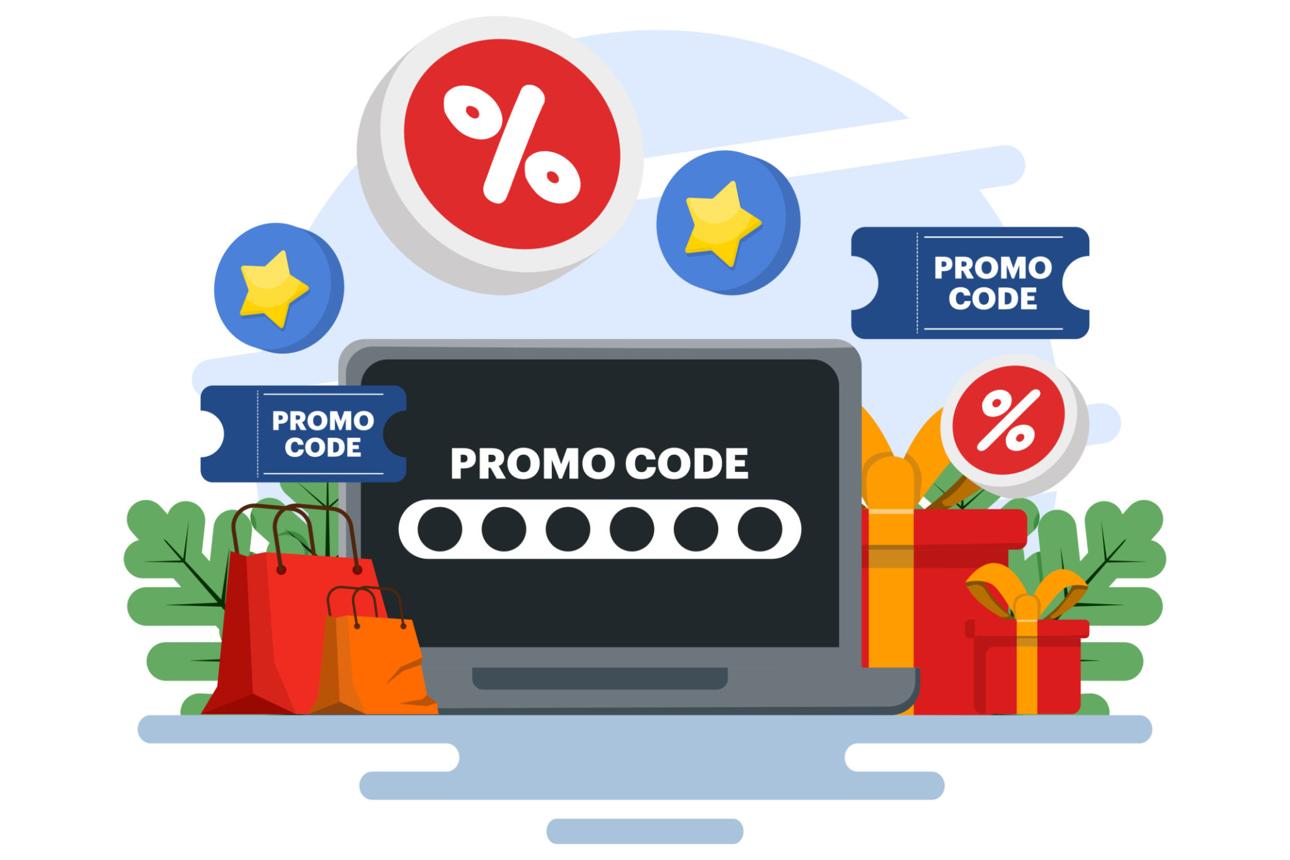
At the center of this ecosystem are promo codes — alphanumeric strings you enter at checkout to receive an instant discount. While the concept is simple, the execution matters. Not all codes are created equal: some are store-wide, others apply only to specific categories, and a surprising number circulating online are expired or fake. That is why verification matters, and why platforms that hand-test every code before publishing give shoppers a real advantage.
Beyond promo codes, many retailers now offer automatic discounts that apply without any code at all. These include membership pricing tiers, first-purchase bonuses, and dynamic pricing algorithms that adjust based on demand, time of day, and even your browsing history. Understanding which stores use which mechanisms is the first step toward never paying full price again.
Types of Online Shopping Discounts You Should Know
Coupon Codes and Promo Codes
Coupon codes remain the most widely used discount mechanism in 2026. They typically fall into several categories: percentage-off codes that reduce your total by a fixed percentage, dollar-off codes that subtract a flat amount, free shipping codes that eliminate delivery charges, and BOGO (buy-one-get-one) promotions that reward bulk purchases.
The challenge is finding codes that actually work. Research shows that between 40 and 60 percent of codes found through generic search results are expired, restricted to specific user groups, or simply non-functional. This is why experienced shoppers rely on verified coupon platforms where every code is tested by real people before being published.
For tech purchases, stores like Apple frequently offer seasonal promotions, trade-in credits, and education discounts that can save hundreds of dollars. Meanwhile, fashion retailers such as Adidas and Ann Taylor rotate promotional codes weekly, often offering deeper discounts to newsletter subscribers and app users.
If you want to master the art of finding working codes consistently, our dedicated guide on how to find working coupon codes when nothing else works covers a proven 7-step method that experienced deal hunters use daily.
Cashback Programs
Cashback is the quiet powerhouse of online savings. Unlike coupon codes, which provide an immediate discount, cashback programs return a percentage of your purchase back to you — typically within 30 to 90 days. The beauty of cashback is that it can often be stacked on top of existing promo codes and sales, effectively doubling your savings.
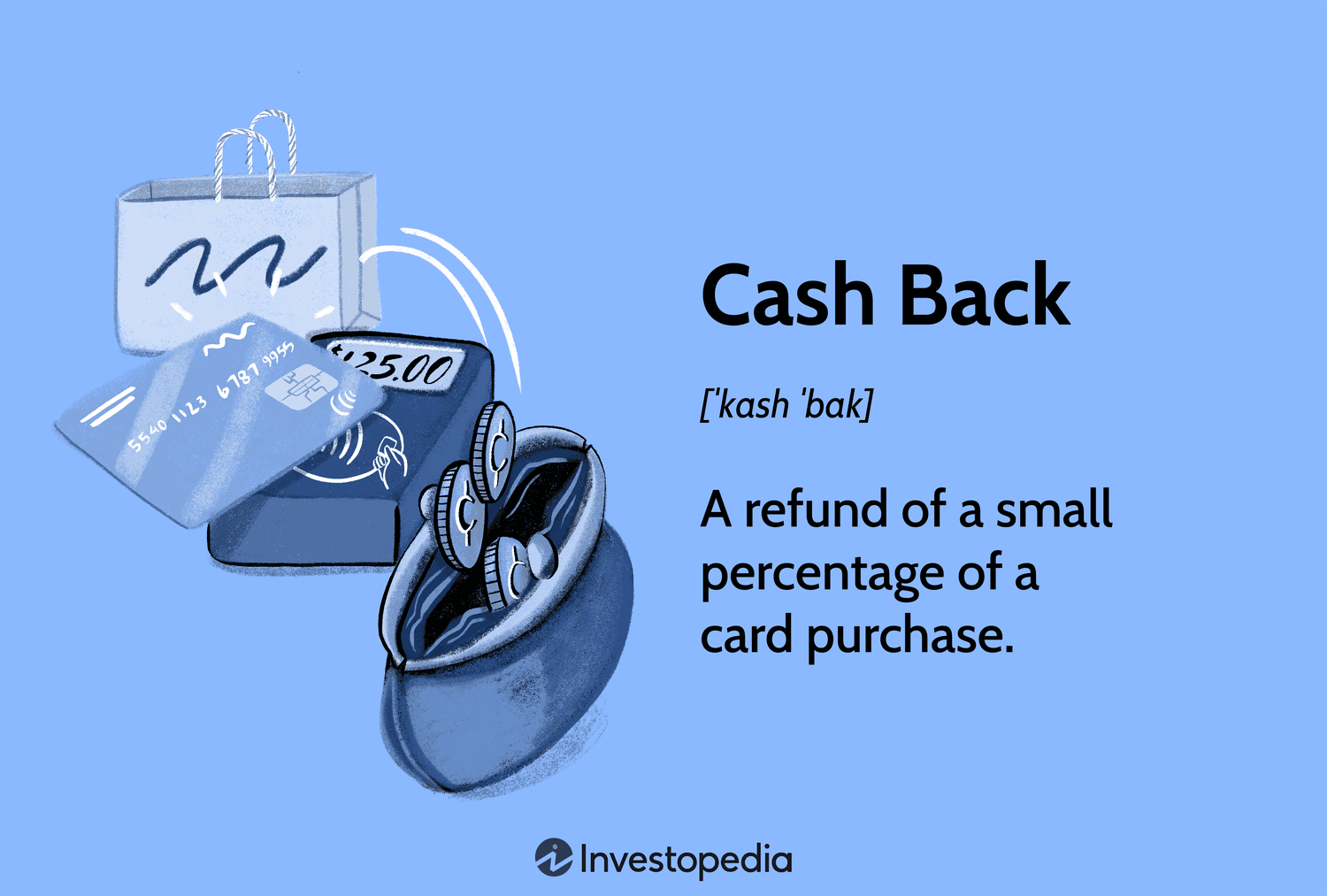
The question many shoppers ask is whether cashback or coupons save more money overall. The answer depends on your shopping patterns, the categories you buy from, and how consistently you use each method. We explored this topic in depth in our analysis of cashback vs. coupons, which includes real-world calculations showing when each strategy wins.
Stacking Discounts
Stacking is the practice of combining multiple discounts on a single purchase — for example, using a percentage-off coupon code during a site-wide sale while also earning cashback through a rewards portal. When done correctly, stacking can result in total savings of 40 percent or more on a single order.
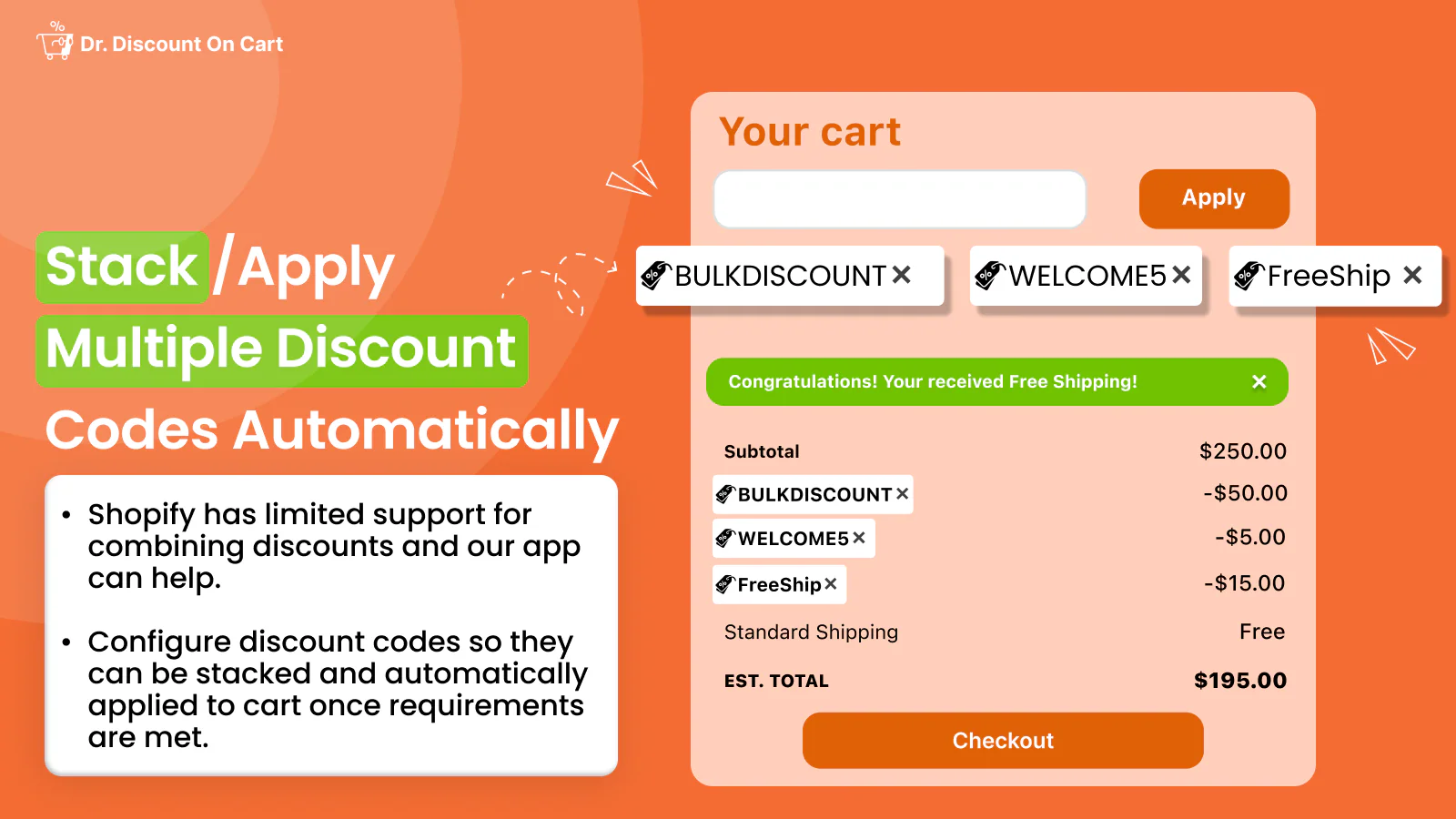
However, not every retailer allows stacking, and doing it incorrectly can flag your account or void your order entirely. The key is understanding each store's specific coupon policy. Some retailers like Boscov's allow one coupon code per transaction but permit combining it with ongoing promotions. Others restrict all combinations. Our guide on how to use multiple coupons at once without getting banned covers the exact policies of major retailers and the safest stacking strategies.
Browser Extensions for Automatic Savings
One of the most hands-off ways to save money in 2026 is through browser extensions that automatically detect and apply coupon codes at checkout. These tools have improved dramatically over the past few years, with the best extensions now testing dozens of codes in seconds and applying the one that offers the highest discount.
Not all extensions are equal, though. Some collect excessive browsing data, others have limited store coverage, and a few actually slow down the checkout process. We reviewed the major players in our honest review of browser extensions that find coupons automatically, rating each on accuracy, privacy, speed, and store coverage.
Savings Strategies by Shopping Category
Different product categories require different discount strategies. A tactic that works brilliantly for fashion may be completely ineffective for electronics, and vice versa. Here is how to approach each major category.
Fashion and Apparel
Fashion is one of the most coupon-friendly categories online. Clothing retailers offer promotional codes more frequently than almost any other industry, with many running continuous promotions that rotate every few days.
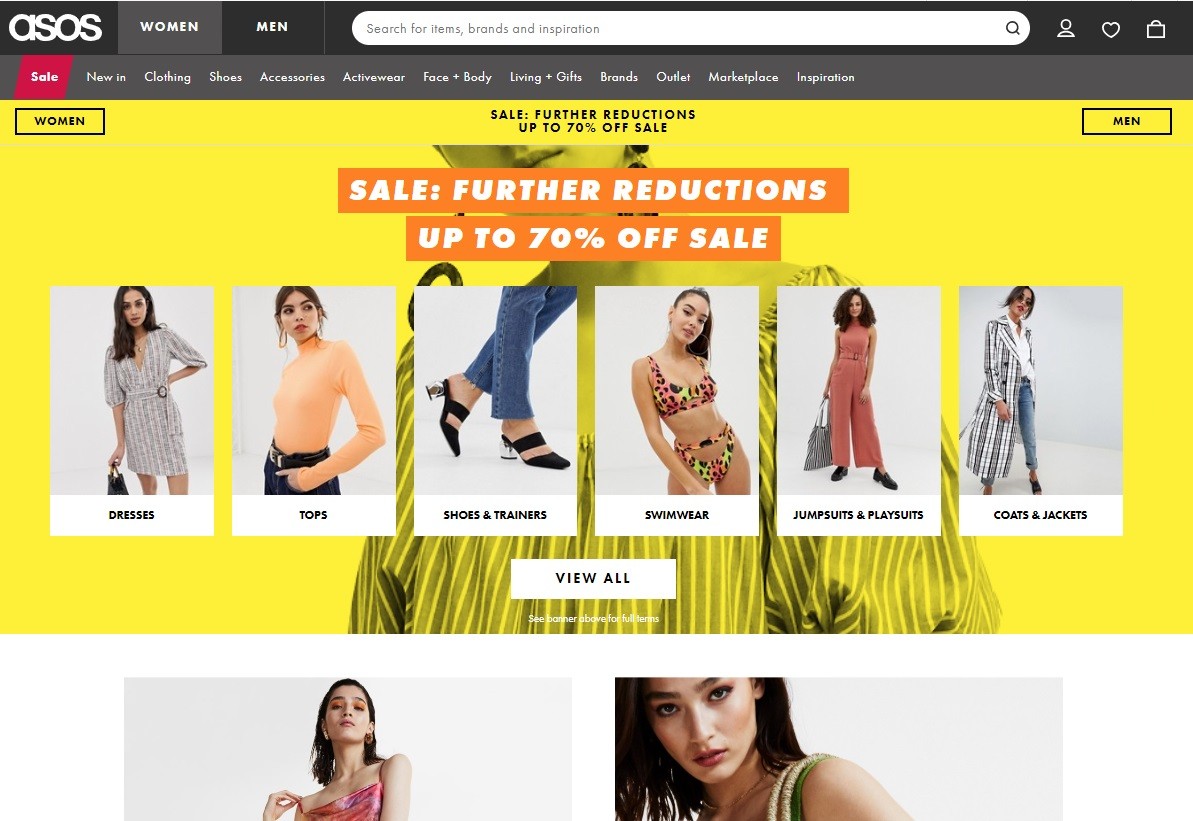
The best approach for fashion savings combines three elements: timing your purchases around major sale events, using verified coupon codes from your favorite fashion brands, and signing up for store loyalty programs that provide early access and exclusive markdowns. Brands like Agent Provocateur and Ann Taylor regularly offer loyalty members deeper discounts than what is publicly available.
For a ranked list of the 20 fashion retailers with the deepest available discounts, see our category guide to the best fashion coupon codes.
Electronics and Tech
Electronics discounts require a more strategic approach because margins are thinner and promotions are less frequent. The key saving mechanisms in this category include trade-in programs, student and military discounts, refurbished product programs, and timing purchases around product launch cycles.
Apple, for instance, offers substantial savings through its Certified Refurbished program and education pricing — discounts that many shoppers overlook entirely. Other electronics and tech retailers offer seasonal clearance events, especially during back-to-school season and Black Friday, when markdowns of 20 to 50 percent become common even on current-generation products.
Our weekly roundup of the best tech and electronics promo codes tracks every verified deal across major electronics retailers, updated every week so you never miss a discount window.
Health and Beauty
The health and beauty category has seen an explosion of direct-to-consumer brands in 2026, many of which offer generous first-purchase discounts, subscription savings, and referral bonuses. The best strategy here is to combine welcome offers with subscription pricing, which can reduce the cost of recurring purchases like skincare, supplements, and personal care products by 15 to 30 percent.
Home and Garden
If you are furnishing a home or upgrading your living space, home and garden retailers offer some of the largest dollar-amount savings available online. Stores like Amerisleep and Aroma360 frequently run promotions worth hundreds of dollars off mattresses, furniture, and home décor.
The key with home and garden purchases is patience. These products see predictable price cycles, with the deepest discounts appearing during holiday weekends like Presidents' Day, Memorial Day, Labor Day, and Black Friday. Planning major purchases around these windows can save you 30 to 50 percent compared to buying at full price.
Travel
Travel discounts in 2026 work differently from retail discounts. Rather than traditional coupon codes, travel savings typically come through flash sales, loyalty program perks, booking-window optimization, and package bundling. Airlines like British Airways and hotel chains offer seasonal fare sales that can cut costs significantly when you book during the right window.

Our comprehensive guide to travel deals, including flight, hotel, and car rental coupon codes covers the best verified travel discounts available right now and explains exactly how to claim them.
Grocery and Food
Grocery savings have moved firmly online, with major chains and delivery services now accepting digital coupon codes, offering subscription discounts, and running weekly promotions that rival traditional paper coupons. The food and grocery category page tracks deals from stores like Aldi US and other major grocery retailers.
For a comprehensive breakdown of where to find the most effective grocery codes in every format — delivery, in-store, and pickup — read our guide on where to find the best grocery coupon codes in the US.
The 2026 Sales Calendar: When to Buy Everything
Timing is one of the most underrated savings strategies. Retailers follow predictable promotional calendars, and knowing when major sales occur allows you to plan purchases months in advance and buy at the lowest possible price.
January through February brings post-holiday clearance, winter apparel markdowns, and White Sale events for bedding and linens. This is also an excellent window for fitness equipment and gym memberships, as retailers capitalize on New Year resolutions.
March through April features spring fashion releases with promotional codes for new collections, Easter sales across multiple categories, and end-of-winter clearance on cold-weather gear. Mother's Day promotions begin appearing in April, with the best codes and deals tracked in our Mother's Day sales guide for 2026.
May through June is the ideal time for outdoor and garden purchases, sports and outdoors gear, and early summer travel bookings. Memorial Day sales often extend across every major category.
July through August features Amazon Prime Day and competing retailer sales, back-to-school promotions across electronics, education products, and office supplies, and summer clearance on seasonal items.
September through October is the sweet spot for last-generation tech products as new models launch, plus early holiday shopping for gifts and flowers before prices spike.
November through December remains the most discount-heavy period of the year. Black Friday, Cyber Monday, and holiday sales bring the deepest markdowns across virtually every category from jewelry and watches to software and apps.
Building a Long-Term Savings System
The shoppers who save the most money do not rely on luck — they follow systems. Building a reliable savings routine means combining several habits that, together, consistently reduce what you pay across all your purchases.
Start by bookmarking a trusted coupon source that verifies every code. Platforms like PureCouponCodes test deals with real shoppers and update them daily, so you avoid the frustration of expired codes.
Next, set up deal alerts for stores and categories you shop frequently. Sign up for newsletters from your favorite stores — most retailers send exclusive codes to email subscribers that are not available anywhere else. Combine this with a cashback portal and a browser extension, and you create a multi-layered system that captures savings automatically on every purchase.
For those ready to take their savings game to the next level, our guide on 10 coupon habits that actually work provides a complete framework for never paying full price again. And if you are inspired by the idea of extreme couponing but intimidated by the logistics, the extreme couponer's starter guide shows you how to save aggressively without ever touching a pair of scissors.
Common Mistakes That Cost Online Shoppers Money
Even experienced deal hunters fall into traps that end up costing more than they save. Recognizing these mistakes is just as important as knowing the best savings strategies.
The first and most common mistake is using unverified coupon codes. Shoppers waste an average of 5 to 10 minutes per checkout searching for codes on random websites, only to find that none of them work. This frustration often leads to "code fatigue" — the point where a shopper abandons the search entirely and pays full price. The solution is simple: start with a verified source like PureCouponCodes where every deal is tested before it goes live, rather than scrolling through pages of dead codes on low-quality aggregators.
The second mistake is ignoring category-specific discount patterns. Many shoppers apply the same savings approach across all categories, but different product types follow different promotional rhythms. Jewelry and watch retailers like Ashford run deep percentage-off promotions year-round because margins are higher, while arts and crafts stores like Dick Blick and Books-A-Million tend to focus on seasonal clearance events and back-to-school promotions. Understanding these patterns allows you to time your purchases precisely.
The third mistake is overlooking niche and specialty stores. Shoppers default to giant retailers assuming they offer the best prices, but smaller specialty stores often provide deeper discounts to compete for attention. From CBD and wellness brands to pet supply stores, niche retailers frequently offer more generous first-purchase discounts, loyalty rewards, and exclusive coupon codes that mainstream competitors cannot match.
The fourth mistake is failing to stack. As we discussed earlier, stacking coupon codes with cashback, sale pricing, and loyalty points can compound savings dramatically. Yet most shoppers use only one discount method per purchase. If you are only using a coupon code without also checking for available cashback or loyalty rewards, you are leaving money on the table every single time.
Finally, many shoppers make the mistake of not tracking their savings over time. Without a record of how much you have saved — and which methods produced the best results — it is impossible to optimize your approach. The shoppers who save the most keep a simple log of their discount sources, amounts saved, and which strategies worked for each store.
Student, Military, and Professional Discounts: Hidden Savings Most People Miss
One of the most overlooked areas of online discounts involves status-based savings programs. Many major retailers offer dedicated discounts for students, active military personnel, veterans, teachers, first responders, and healthcare workers — yet the majority of eligible shoppers never claim these benefits.
Student discounts typically range from 10 to 20 percent and are available through verification platforms like UNiDAYS and SheerID. These apply at hundreds of retailers across categories from fashion to software and apps like AVG. The key detail many students miss is that these discounts can often be combined with other promotions, effectively stacking a student discount on top of a sale price.
Military and veteran discounts follow a similar pattern. Stores like Adidas provide standing 10 to 30 percent discounts for verified military personnel, and these savings are available year-round — not just during special promotional periods.
Teacher and education staff discounts are growing in availability as well. Many education-focused retailers now offer dedicated pricing tiers for verified educators, and these often extend beyond classroom supplies to include personal technology purchases, apparel, and even entertainment subscriptions.
If you belong to any of these groups and have not verified your status with major retailers, you are missing one of the easiest and most consistent ways to reduce your spending.
How to Spot Fake Coupon Codes and Avoid Scams
As the online coupon industry has grown, so has the number of fraudulent or misleading coupon sites. Knowing how to identify fake codes protects both your time and your personal information.
Red flags to watch for include sites that require you to complete surveys or download software before revealing a code, pages that list dozens of codes with no indication of verification status, and codes with implausibly high discount percentages that seem too good to be true. Legitimate coupon platforms always show when codes were last tested, their success rates based on real shopper feedback, and clear attribution to an editorial team or verification process.
Another common scam involves fake "exclusive" codes that redirect you through affiliate links to the retailer's standard pricing page — you see no actual discount, but the scam site earns a commission on your purchase. Trustworthy platforms like PureCouponCodes clearly label which codes are editorial-verified, which are community-submitted, and what the real-world success rate is for each deal.
When in doubt, test any code before completing your purchase. A legitimate coupon will show the discount reflected in your cart total immediately after you click "Apply." If a code does nothing, remove it and try a different verified option from a trusted source.
How We Test and Verify Discounts
Trustworthy discount information requires rigorous verification. At PureCouponCodes, every code goes through a multi-step validation process before it appears on our site. Our editorial team tests codes against live checkout systems, tracks success rates from community submissions, and removes non-functional deals within hours of expiration.
This approach means that when you find a code on our stores directory or category pages, it has been confirmed working by real shoppers — not scraped from an outdated database. You can learn more about our testing methodology on our how we verify coupons page.
We also welcome contributions from the shopping community. If you have found a working code that is not listed, you can submit it directly to help other shoppers save.
Final Thoughts
Online shopping discounts in 2026 are more accessible than ever — but they reward preparation and strategy over impulse. The shoppers who consistently save the most money are those who understand the discount ecosystem, use verified sources, time their purchases strategically, and layer multiple savings methods on every transaction.
Whether you are saving $5 on groceries or $500 on a new laptop, the principles remain the same: verify before you buy, stack when possible, and never assume the listed price is the best price. Start with the strategies in this guide, explore our blog for category-specific tactics, and browse our full store directory to find verified codes for the brands you love.
Happy saving.
This guide is maintained by the PureCouponCodes editorial team and updated regularly to reflect the latest discount trends, verified coupon codes, and shopping strategies. For questions, feedback, or partnership inquiries, visit our about page.